
Introduction to Wearable Technology Evolution
From Fitness Trackers to Smart Ecosystems
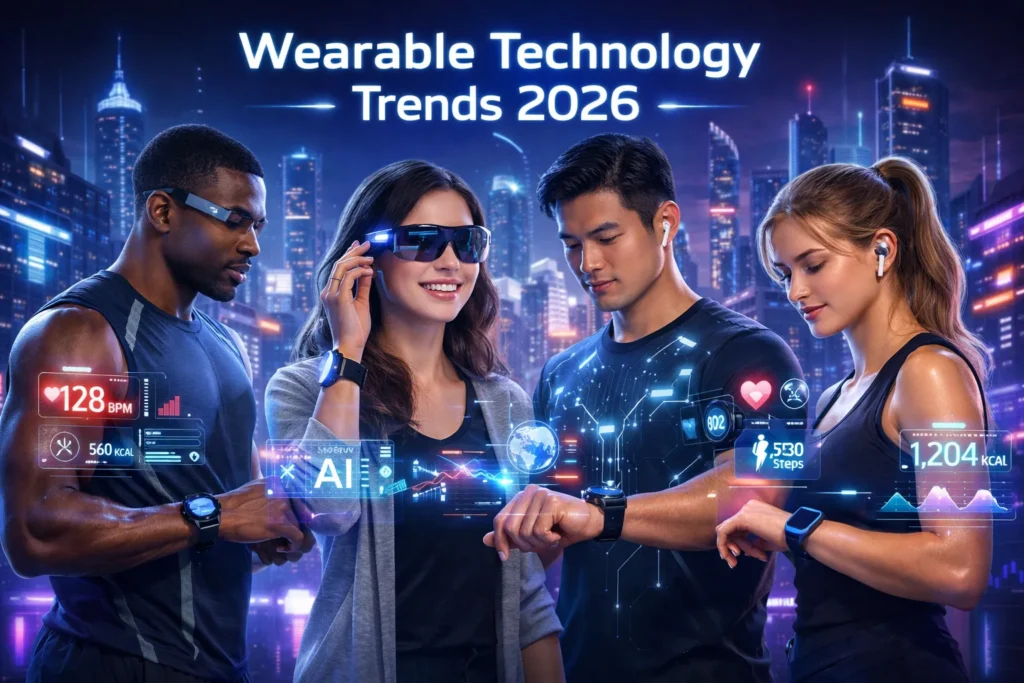
Wearable technology has come a long way from those early step counters that simply told you how many steps you took in a day. Back then, it felt revolutionary just to see your daily movement quantified. Fast forward to 2026, and wearables have transformed into fully integrated ecosystems that interact with nearly every aspect of your daily life. These devices are no longer standalone gadgets they are deeply embedded in how we monitor health, manage productivity, and even communicate.
Fast forward to 2026, and wearables have transformed into fully integrated ecosystems that interact with nearly every aspect of your daily life. These innovations are part of broader latest tech trends in 2026 shaping the future of digital living.
Think about it like this: early wearables were like calculators useful but limited. Today’s wearables are more like personal assistants living on your wrist, in your clothing, or even inside your body. Devices such as smartwatches, fitness bands, and smart rings now connect seamlessly with smartphones, cloud platforms, and even smart home systems. This interconnected environment allows users to receive real-time updates, automate routines, and gain insights that were once only available through professional medical equipment.
One of the biggest shifts has been the transition from passive tracking to active guidance. Instead of just telling you that you slept poorly, modern wearables analyze your sleep patterns, identify disruptions, and suggest actionable improvements. It’s like having a coach, doctor, and assistant rolled into one compact device.
According to recent market data, the global wearable technology market is expected to surpass $150 billion by 2026, driven by innovations in AI, health monitoring, and connectivity. This rapid growth reflects a fundamental change in how people perceive wearables not as luxury gadgets, but as essential tools for modern living.
Why 2026 Is a Turning Point
If you had to pick a year where wearable technology truly “levels up,” 2026 would be a strong contender. Several technological advancements are converging at once, creating a perfect storm of innovation. Artificial intelligence, advanced sensors, faster connectivity like 5G and beyond, and improved battery technologies are all maturing simultaneously.
What makes 2026 unique is not just incremental improvement it’s a shift in capability. Wearables are moving from reactive devices to predictive systems. Imagine your smartwatch warning you about potential health issues before symptoms even appear. That’s not science fiction anymore; it’s becoming reality.
Another major factor is accessibility. Wearable technology is no longer limited to tech enthusiasts or high-income users. Affordable devices with advanced features are entering the market, making this technology accessible to a much broader audience. This democratization is accelerating adoption across different demographics, from athletes and professionals to elderly users who benefit from health monitoring features.
There’s also a cultural shift happening. People are becoming more proactive about their health and well-being, and wearables are perfectly positioned to support that mindset. They provide continuous feedback, helping users stay accountable and informed in ways that traditional healthcare systems cannot.
In essence, 2026 represents the moment when wearable technology stops being an accessory and becomes an integral part of everyday life. It’s not just about convenience anymore it’s about transformation.
AI-Powered Wearables Are Taking Over
Real-Time Decision Making with AI
Artificial intelligence is no longer just a buzzword in wearable technology it’s the engine driving the entire experience. In 2026, AI-powered wearables are capable of making real-time decisions that significantly impact users’ daily lives. These devices don’t just collect data; they interpret it instantly and provide actionable insights.
Imagine going for a run and your smartwatch detects subtle changes in your heart rate variability. Instead of simply recording the data, it analyzes your current condition, compares it with historical trends, and suggests whether you should push harder or slow down. This level of intelligence transforms wearables from passive trackers into active decision-making tools.
What’s truly fascinating is how these devices learn over time. Using machine learning algorithms, wearables adapt to your habits, preferences, and biological patterns. They become more accurate and personalized the longer you use them. It’s almost like they develop a deeper understanding of you than you might have of yourself.
A growing trend in latest AI wearable technology trends is the integration of edge computing. This means data processing happens directly on the device rather than being sent to the cloud. The result? Faster insights, reduced latency, and improved privacy. You get immediate feedback without compromising sensitive data.
Experts in the field emphasize that AI is turning wearables into predictive tools. As Dr. John Halamka, a healthcare technology expert, once noted, “The future of health lies in continuous monitoring combined with predictive analytics.” Wearables are at the forefront of this transformation.
Personalized Health Insights
One of the most compelling aspects of AI-driven wearables is their ability to deliver highly personalized health insights. Gone are the days of generic fitness recommendations. In 2026, your wearable understands your unique physiology, lifestyle, and goals, offering guidance tailored specifically to you.
For example, instead of suggesting a standard 10,000-step goal, your device might adjust your daily activity target based on your recent performance, sleep quality, and stress levels. If you had a poor night’s sleep, it might recommend lighter activity and focus on recovery. This level of personalization makes health management more effective and sustainable.
Another major advancement is in continuous health monitoring. Wearables now track metrics such as blood oxygen levels, heart rate variability, skin temperature, and even stress indicators. When combined with AI, these data points provide a comprehensive picture of your health. It’s like having a mini health lab on your wrist.
There’s also a growing focus on mental health. Wearables are beginning to detect patterns associated with stress, anxiety, and even depression. By analyzing physiological signals, they can alert users and suggest interventions such as breathing exercises or mindfulness practices.
Statistics show that over 60% of wearable users in 2025 relied on their devices for health-related insights, and this number is expected to grow significantly in 2026. This trend highlights a shift toward self-managed healthcare, where individuals take a more active role in monitoring and improving their well-being.
The bottom line? AI is not just enhancing wearable technology it’s redefining it.
Healthcare Wearables Revolution
Remote Patient Monitoring Growth
One of the most transformative wearable technology trends in healthcare is the explosive growth of remote patient monitoring. Not too long ago, visiting a doctor meant physically going to a clinic, waiting in line, and undergoing periodic tests that only provided a snapshot of your health. Now, wearable devices are flipping that model on its head by enabling continuous, real-time monitoring from the comfort of your home.
Think of wearable health tech as a silent guardian that never sleeps. Devices like smartwatches, biosensors, and wearable ECG monitors track vital signs 24/7, sending data directly to healthcare providers. This constant stream of information allows doctors to detect abnormalities early, often before the patient even notices symptoms. For individuals with chronic conditions such as diabetes, heart disease, or hypertension, this can literally be life-saving.
What’s driving this trend in 2026 is the integration of AI and cloud-based healthcare systems. These technologies analyze massive amounts of patient data in real time, identifying patterns that human observation alone might miss. For instance, subtle fluctuations in heart rhythm could trigger an alert, prompting immediate medical attention.
According to industry reports, the remote patient monitoring market is expected to grow at a CAGR of over 20% by 2026, highlighting just how quickly this sector is expanding. Hospitals are also embracing this shift because it reduces readmission rates and lowers healthcare costs.
Another important angle is accessibility. Patients in rural or underserved areas now have access to quality healthcare through wearable devices. It’s like bringing the hospital to the patient instead of the other way around. This shift is not just convenient it’s reshaping the entire healthcare ecosystem.
Wearables in Disease Detection
Early disease detection is where wearable technology truly shines in 2026. These devices are no longer limited to tracking steps or calories they’re becoming powerful diagnostic tools capable of identifying serious health conditions at an early stage.
Imagine your wearable detecting irregular heartbeats and alerting you to the possibility of atrial fibrillation. Or identifying subtle changes in your skin temperature and oxygen levels that could indicate an infection. These scenarios are already becoming reality thanks to advancements in sensor technology and AI algorithms.
One of the most exciting developments is in non-invasive glucose monitoring. For years, people with diabetes had to rely on finger-prick tests to monitor blood sugar levels. Now, wearable devices are being developed that can track glucose levels continuously without breaking the skin. This innovation alone has the potential to improve the quality of life for millions of people worldwide.
There’s also progress in detecting neurological conditions. Researchers are exploring how wearables can identify early signs of diseases like Parkinson’s and Alzheimer’s by analyzing movement patterns and cognitive indicators. It’s like having an early warning system for your brain.
What makes this trend so powerful is its preventative nature. Instead of reacting to illness, wearable technology allows users to stay one step ahead. It shifts healthcare from reactive to proactive, which is a game changer.
Smart Clothing and E-Textiles
Athletic Wear Innovations
When you think of wearables, you probably picture a smartwatch or fitness band. But in 2026, some of the most exciting innovations are happening in what you wear literally. Smart clothing and e-textiles are redefining how we interact with technology, especially in the world of sports and fitness.
Athletic wear is becoming increasingly intelligent, with embedded sensors that track everything from muscle activity to posture and breathing patterns. Imagine wearing a shirt that tells you whether your running form is correct or if you’re putting too much strain on a specific muscle group. It’s like having a personal trainer stitched into your clothes.
Professional athletes are already leveraging this technology to optimize performance and prevent injuries. For example, smart compression garments can monitor muscle fatigue and provide real-time feedback, helping athletes avoid overtraining. This level of insight was once only available in high-end sports labs.
Even for everyday users, these innovations are incredibly valuable. Whether you’re hitting the gym or going for a jog, smart clothing can guide your movements and improve your efficiency. It turns every workout into a data-driven experience.
The global market for smart textiles is expected to exceed $10 billion by 2026, driven largely by demand in the fitness and healthcare sectors. This growth reflects a broader trend: technology is becoming more seamlessly integrated into our daily lives.
Everyday Smart Fabrics
Beyond athletics, smart fabrics are making their way into everyday clothing, transforming ordinary garments into high-tech tools. This might sound futuristic, but it’s already happening in subtle yet impactful ways.
For instance, temperature-regulating fabrics can adapt to your body’s needs, keeping you warm in cold environments and cool in hot conditions. This is achieved through advanced materials that respond to external and internal stimuli. It’s like having climate control built into your wardrobe.
Another emerging trend is self-cleaning fabrics, which use nanotechnology to repel dirt and bacteria. Imagine wearing a shirt that stays fresh for days without washing. Not only is this convenient, but it also has environmental benefits by reducing water and detergent usage.
There’s also growing interest in health-monitoring clothing for everyday use. Smart pajamas that track sleep quality, office wear that monitors posture, and even socks that analyze walking patterns are becoming more common. These innovations blur the line between fashion and function.
The beauty of smart fabrics lies in their invisibility. Unlike traditional wearables, they don’t feel like gadgets. They’re just clothes comfortable, familiar, and now incredibly intelligent.
Wearables and Augmented Reality (AR)
Smart Glasses Evolution
If there’s one category of wearable technology that’s capturing attention in 2026, it’s smart glasses. After years of experimentation and mixed success, AR-enabled eyewear is finally hitting its stride.
Modern smart glasses are sleek, lightweight, and packed with features that enhance everyday life. They overlay digital information onto the real world, creating an augmented experience that feels both natural and immersive. Imagine walking down the street and seeing navigation directions projected directly in your field of vision. No need to check your phone it’s all right there.
Companies like Apple, Meta, and Google are investing heavily in this space, leading to rapid advancements in display technology, battery life, and user interfaces. The result is a new generation of devices that are both powerful and practical.
One of the biggest improvements is in usability. Early versions of smart glasses were often clunky and socially awkward. Today’s designs are far more discreet, making them suitable for everyday wear. It’s technology that blends in rather than stands out.
Modern smart glasses are sleek, lightweight, and packed with features that enhance everyday life. Many AI-powered smart glasses already showcase how augmented reality is becoming part of everyday experiences.
AR in Daily Life
The real magic of AR wearables lies in how they integrate into daily life. These devices are not just for tech enthusiasts they’re becoming tools for productivity, learning, and entertainment.
In the workplace, AR glasses are being used for training and remote collaboration. Imagine a technician receiving step-by-step instructions overlaid on machinery while repairing it. This reduces errors and increases efficiency. It’s like having an expert guiding you in real time.
In education, AR wearables are transforming how students learn. Complex concepts can be visualized in 3D, making them easier to understand. History lessons come to life, science experiments become interactive, and learning becomes an immersive experience.
Even in everyday activities like shopping or cooking, AR can provide valuable assistance. From virtual try-ons to step-by-step recipe guides, the possibilities are endless.
This trend highlights a broader shift: technology is moving from screens to experiences. Instead of interacting with devices, we’re interacting with the world through them.
Battery Life and Energy Innovations
Solar and Kinetic Charging
One of the biggest challenges in wearable technology has always been battery life. After all, what good is a smart device if it constantly needs to be charged? In 2026, this problem is being tackled with innovative solutions like solar and kinetic charging.
Solar-powered wearables use tiny photovoltaic cells to convert sunlight into energy. While they may not completely replace traditional charging methods, they significantly extend battery life. Imagine your smartwatch gaining extra power just by being outdoors it’s a simple yet powerful concept.
Kinetic charging, on the other hand, harnesses the energy generated by your movements. Every step you take, every swing of your arm contributes to powering your device. It’s like turning your body into a generator.
These technologies are particularly useful for outdoor enthusiasts and athletes who rely on wearables for extended periods. They reduce dependency on chargers and make devices more sustainable.
Longer-Lasting Batteries
Alongside alternative energy sources, advancements in battery technology are also playing a crucial role. New materials and designs are enabling wearables to last longer on a single charge without increasing size or weight.
For example, solid-state batteries are emerging as a promising alternative to traditional lithium-ion batteries. They offer higher energy density, faster charging times, and improved safety. This means you can use your wearable devices for longer periods without worrying about overheating or degradation.
Another trend is ultra-low-power processors, which optimize energy consumption without compromising performance. These chips are designed specifically for wearable devices, ensuring maximum efficiency.
The combination of these innovations is transforming the user experience. Instead of constantly managing battery levels, users can focus on what truly matters using their devices to improve their lives.
Edible and Implantable Wearables
Edible Sensors Explained
At first glance, the idea of edible technology might sound like something straight out of a science fiction movie. But in 2026, edible wearable technology trends are quietly making their way into real-world applications, particularly in healthcare. These are tiny ingestible sensors designed to monitor what’s happening inside your body something traditional wearables can’t fully capture from the outside.
So how does it work? Imagine swallowing a small capsule embedded with microscopic sensors. Once inside your digestive system, it collects data such as pH levels, temperature, and even chemical changes. This information is then transmitted to an external device, allowing doctors to gain insights into your internal health without invasive procedures. It’s like having a temporary “internal wearable” that gives a live feed of your body’s inner workings.
One of the most impactful uses of edible sensors is medication tracking. Patients who struggle with adherence forgetting to take their medicine can benefit from smart pills that confirm ingestion and monitor how the body responds. This is particularly valuable for chronic conditions where consistency is critical.
Another exciting application is in gastrointestinal diagnostics. Instead of undergoing uncomfortable procedures, patients can use ingestible sensors to detect issues like ulcers, infections, or abnormal gut activity. This not only improves comfort but also speeds up diagnosis.
The global interest in edible tech is growing steadily, especially as healthcare systems push toward less invasive and more patient-friendly solutions. While still emerging, this trend represents a major leap forward in personalized medicine. It’s a reminder that wearable technology isn’t just about what we put on our bodies it’s also about what we can safely put inside them.
Implantable Tech Trends
If edible wearables are temporary, implantable technology takes things a step further by becoming a permanent part of the body. This might sound intimidating, but it’s one of the most promising areas of innovation in 2026, particularly for medical and therapeutic purposes.
Implantable devices are already being used in various forms, such as pacemakers and cochlear implants. However, modern advancements are making these technologies smaller, smarter, and more versatile. Today’s implants can monitor vital signs, deliver medication, and even interact with the nervous system.
One of the most talked-about developments is in neural implants, which aim to bridge the gap between the human brain and digital systems. These devices have the potential to help individuals with paralysis regain movement or enable direct communication between the brain and computers. It’s not just about convenience it’s about restoring capabilities that were once thought lost.
Another key trend is bio-integrated sensors that continuously track health metrics from within the body. Unlike external wearables, these implants provide highly accurate data without interference from environmental factors. This makes them incredibly valuable for long-term health monitoring.
Of course, implantable technology raises important ethical and privacy questions. Who owns the data? How secure is it? These are critical considerations as the technology evolves. Still, the potential benefits are undeniable, especially in improving quality of life and advancing medical science.
Privacy and Security Concerns
Data Protection Challenges
As wearable technology becomes more advanced, it also becomes more data-intensive. Every step you take, every heartbeat, every hour of sleep these devices collect an enormous amount of personal information. While this data is incredibly valuable for improving health and convenience, it also raises serious privacy and security concerns.
Think about it: your wearable device knows more about your daily habits than most people in your life. It tracks your location, monitors your health, and even analyzes your behavior patterns. If this data falls into the wrong hands, the consequences could be significant.
One of the biggest challenges is ensuring that data is stored and transmitted securely. Cyberattacks are becoming more sophisticated, and wearable devices are not immune. Hackers could potentially access sensitive health data or even manipulate device functions.
Another issue is data sharing. Many wearable devices sync with apps and third-party platforms, which may use the data for analytics or marketing purposes. While this can enhance user experience, it also creates additional points of vulnerability.
According to cybersecurity experts, the number of attacks targeting IoT devices including wearables has increased significantly in recent years. This trend underscores the importance of robust security measures.
Regulations and User Awareness
To address these challenges, governments and organizations are implementing stricter regulations around data privacy. Laws like GDPR in Europe and similar frameworks in other regions are setting standards for how data should be collected, stored, and used.
However, regulations alone are not enough. User awareness plays a crucial role in ensuring data security. Many people are unaware of the permissions they grant when using wearable devices or the extent of data being collected.
Manufacturers are also stepping up by incorporating advanced security features such as encryption, biometric authentication, and on-device processing. These measures help protect user data while maintaining functionality.
The key takeaway here is balance. Wearable technology offers incredible benefits, but it’s important to use it responsibly. Understanding how your data is handled and taking steps to protect it can make a significant difference.
Future Outlook of Wearable Technology
Market Growth Predictions
The future of wearable technology looks incredibly promising, with growth projections that highlight its expanding influence across industries. According to recent market research, the global wearable tech market is expected to exceed $150–$200 billion by 2026, driven by demand in healthcare, fitness, and consumer electronics.
What’s fueling this growth? It’s a combination of technological innovation, increasing health awareness, and wider accessibility. As devices become more affordable and feature-rich, more people are adopting them as part of their daily lives.
Another factor is enterprise adoption. Businesses are using wearable technology for employee safety, productivity tracking, and training. For example, smart helmets and AR glasses are being used in construction and manufacturing to improve efficiency and reduce risks.
The healthcare sector remains one of the biggest drivers. With aging populations and rising healthcare costs, wearable devices offer a cost-effective solution for continuous monitoring and preventive care.
What to Expect Beyond 2026
Looking beyond 2026, the possibilities for wearable technology are almost limitless. We’re moving toward a future where technology becomes seamlessly integrated into our bodies and environments.
One emerging trend is invisible wearables devices that are so small and unobtrusive that you don’t even notice them. These could include smart contact lenses, skin patches, or even nanotechnology-based sensors.
Another exciting development is the convergence of wearables with other technologies like AI, AR, and blockchain. This integration will create more powerful and secure systems, enabling new use cases that we can only begin to imagine.
There’s also a growing focus on sustainability. Future wearables will likely use eco-friendly materials and energy-efficient designs, reducing their environmental impact.
Ultimately, wearable technology is evolving from a tool into an extension of ourselves. It’s not just about what these devices can do it’s about how they change the way we live, work, and interact with the world.
Conclusion
Wearable technology in 2026 is no longer just a trend it’s a transformation that’s reshaping everyday life in ways that felt unimaginable just a decade ago. From AI-powered insights and healthcare breakthroughs to smart clothing and futuristic implantables, these innovations are pushing the boundaries of what technology can achieve.
What stands out most is how personal these devices have become. They’re not just tools; they’re companions that understand your habits, monitor your health, and guide your decisions. Whether it’s improving fitness, detecting diseases early, or enhancing productivity, wearables are becoming indispensable.
At the same time, challenges like privacy and security remind us that progress comes with responsibility. As users, staying informed and mindful of how we interact with these technologies is just as important as the technology itself.
The journey of wearable technology is far from over. If anything, 2026 is just the beginning of a new era where the line between humans and technology continues to blur. The question is no longer whether wearables will become a part of our lives it’s how deeply they will integrate into who we are.
FAQs
1. What are the latest wearable technology trends in 2026?
The latest trends include AI-powered wearables, smart clothing, AR-enabled glasses, healthcare monitoring devices, and emerging technologies like edible and implantable wearables.
2. How is AI changing wearable technology?
AI enables wearables to provide real-time insights, predictive health analysis, and personalized recommendations based on user behavior and data patterns.
3. Are wearable devices safe for health monitoring?
Yes, most modern wearables are designed with safety and accuracy in mind, though they should complement not replace professional medical advice.
4. What industries benefit most from wearable technology?
Healthcare, fitness, sports, manufacturing, and education are among the top industries benefiting from wearable technology advancements.
5. What is the future of wearable technology?
The future includes invisible wearables, advanced AI integration, sustainable designs, and deeper integration with the human body through implantable devices.